

Let’s discuss some healthy components of a safe place of worship. In Recognizing Red Flags in Toxic Church Environments Part 1, Part 2, and Part 3, we talked about the red flags to watch for when navigating church environments. The search for a healthy church is an important journey, and it begins with the right questions. With that in mind, here are some questions I considered when recently looking for a church. I did the same thing when my family was searching for a church home over twenty years ago. Back then, I took a list of questions when we met with a couple of the elders. They were generous with their time and didn’t mind giving answers.
Spiritual and Practical Questions
- They Provide Doctrinal Clarity and Accountability
When evaluating a church, start by checking if they have a clear statement of faith. Are the doctrines communicated in a straightforward way? A church that teaches and applies the Word with clarity is essential for healthy spiritual growth.
Ask: Who holds leaders accountable? Look for transparency in leadership and a structure that ensures spiritual health is a community effort, not just the work of one central figure. In healthy churches, leaders welcome questions and engage in ongoing dialogue about Biblical truths. The Scriptures say, “Where there is no guidance, a people falls, but in an abundance of counselors there is safety” (Proverbs 11:14).
- They Acknowledge How They Handle Conflict
Churches are not perfect. There will inevitably be conflict. What matters is how the church addresses and resolves it. Healthy churches don’t sweep problems under the rug. Instead, they foster an environment where conflict can be addressed in a Christlike manner. Ask questions like: What is the process for resolving disputes or reporting harm? Are leaders accessible and open to criticism or questions?
A church that truly values its people will hold itself to high standards of accountability. The Bible teaches that “if a brother or sister is caught in a sin, you who live by the Spirit should restore that person gently” (Galatians 6:1). Look for a church that actively encourages restoration and growth in relationships.
- They are Involved in Serving the Community
A healthy church isn’t just inward-focused. Look for a church that is actively serving its community and supporting mission work locally and globally. Ask: Does this church have a heart for outreach? Do they embody the teachings of Jesus, who said, “The Spirit of the Lord is on me, because he has anointed me to proclaim good news to the poor” (Luke 4:18)?
Is the church reaching out to the marginalized, those with disabilities, or people of low income? A healthy church will embody justice and serve those in need, acting as a beacon of hope in the community.
- They are Not Personality-Driven
Is the church focused on one personality, or does it operate as a team? When the church revolves around one central leader, it can become a platform for personal agendas. A healthy church recognizes that leadership is a shared responsibility. A pastor who sees themselves as a servant to the congregation rather than a figurehead is key.
Jesus modeled servant leadership when He said, “Whoever wants to become great among you must be your servant, and whoever wants to be first must be your slave” (Matthew 20:26-27). Look for leaders who prioritize the well-being of others above their own status.
- They Have an Emphasis on Discipleship
A church that values spiritual growth will prioritize discipleship. In John 8:31–32, Jesus says, “If you hold to my teaching, you are really my disciples. Then you will know the truth, and the truth will set you free.” A healthy church will invest in teaching its members how to follow Christ more closely and live out their faith with integrity. Look for churches that provide opportunities for discipleship through Bible studies/small groups and other ministry activities.
In Acts 2:42–47, the early church is described as devoting themselves to the apostles’ teaching, fellowship, breaking of bread, and prayer. Healthy churches replicate this model, focusing on both the gathering and the scattering of believers to serve and grow.
- They Have a Commitment to Justice and Diversity
Look for churches that actively work toward justice and embrace diversity. Jesus was clear about loving all people, regardless of race, background, or socio-economic status. In Matthew 28:19–20, Jesus commanded His disciples to “go and make disciples of all nations”—a mission that is as diverse as it is universal. Does the church reflect a commitment to diversity in leadership, ministry, and outreach? Are they acting justly and loving mercy while they walk humbly with the Lord? Do they address concerns from a Biblical perspective?
A church should also care deeply about the emotional health of its congregation. The Bible speaks to this in 1 John 2:3–6, which challenges us to walk as Jesus did, living humbly and in community. Is there a procedure for safeguarding the vulnerable? What is their stance on issues like trauma and accountability? Healthy churches emphasize emotional health, pastoral care, and counseling for those in need.
- They Emphasize and Train for Safety and Child Protection
For a church to be truly safe, it must demonstrate a commitment to the protection of children and vulnerable adults. Look for child safety policies that adhere to state standards, including background checks for volunteers and staff. Ask: Does the church train its volunteers in recognizing clergy abuse and practicing mandatory reporting and child safety procedures with the help of places like G.R.A.C.E. and Called to Peace Ministries?
Safety isn’t just about complying with the law—it’s a matter of caring for the most vulnerable members of the congregation. A church that values the sanctity of life, the safety of children, and the avoidance of abuse of power will be transparent about its practices and take proactive steps to safeguard the well-being or its flock.
- The Provide Financial Transparency
Financial transparency is a crucial element of a healthy church. The church should be open about how donations are used and subject to outside audits. This ensures accountability and reassures members that their contributions are being used responsibly. “The Lord detests dishonest scales, but accurate weights find favor with him” (Proverbs 11:1). If a church is unwilling to share basic financial information, it’s worth asking why. - They Partake in a Culture of Grace and Humility
A healthy church should be characterized by grace, humility, and the willingness to serve others. Jesus’ ministry was marked by compassion for the brokenhearted, and a safe church will reflect that same compassion. Look for a church that practices repentance, confession of sin, and communion regularly. This helps foster a culture of humility, where people are encouraged to grow and learn without fear of judgment.
In Colossians 3:12–13, Paul writes, “Therefore, as God’s chosen people, holy and dearly loved, clothe yourselves with compassion, kindness, humility, gentleness and patience. Bear with each other and forgive one another if any of you has a grievance against someone.” A healthy church will be a place where people feel free to confess their sins and receive God’s grace.
- The Church Practices What It Preaches
Ultimately, the most crucial quality to consider in a church is whether it embodies the teachings of Jesus. A church that practices what it preaches is one where humility, kindness, and service are not just talked about but lived out. For me, finding a new church was an attempt to find more than just the institution of the church—it was about actively participating in serving the world around me in Jesus’ name. A healthy church doesn’t just offer a seat on Sundays; it allows us to serve, love, and walk alongside others in the way Jesus did.
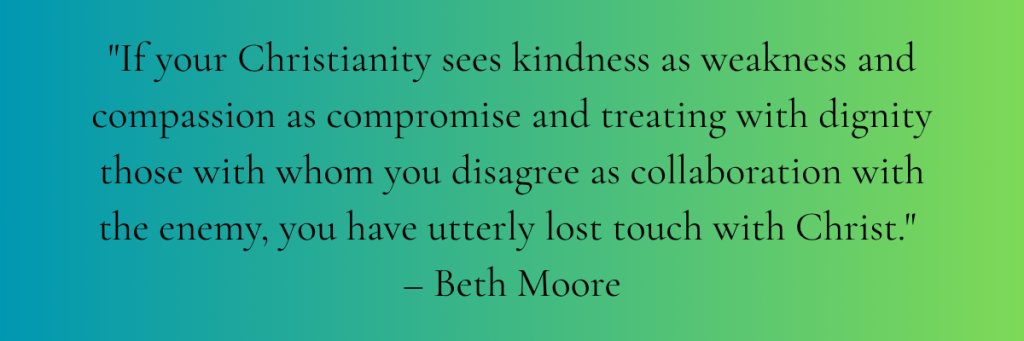
Healthy churches aren’t afraid to get their hands dirty in the work of the Gospel, helping people see that Jesus is not just a Sunday topic but a living, breathing presence in their lives.
Non-Negotiable Doctrines to Consider
As you search for a church, it’s important to define the non-negotiable doctrines that align with your faith.
Make a list of doctrines that matter most to you and use them as a filter when evaluating a potential church.
Miscellaneous Questions
- Do they focus on commissioning people to do the work of the Gospel?
- Are political parties left at the door and the needs of the people met?
- Are they protective of staff spouses and never assume they’ll work for free?
- Does the church use non-disclosure agreements for staff or parishioners? This does not foster truth and transparency.
- Are the staff all related to each other?
- Are guests made to feel welcome regardless if they are doubters, non-Christian, new Christians, or mature Christians?
- Are women welcomed and encouraged to participate in the Great Commission through leadership for volunteer and staff positions?
Identifying a healthy, safe church for spiritual growth requires a discerning eye and a heart open to the voice of God. Use these green lights as a guide when seeking a church home that will nourish your faith and help you grow into the person God created you to be. Pray for clarity, seek His guidance, and trust that He will lead you to a place where you can truly thrive, a place where people feel free to confess and to receive grace.
As you embark on the journey to find a safe and healthy church home, remember that you deserve a place where your spiritual growth is nurtured, your questions are welcomed, and your heart is cared for. Whether you’re just beginning the search or already in the process, take the time to assess the churches around you and trust God’s leading every step of the way.
With technology, you can check out a church before stepping inside. Watch livestreams, browse websites, and explore apps to vet potential churches from the comfort of your desk or couch. I suggest visiting a church for four to six weeks to get a good feel for the church and to make a better-informed decision.
If this article resonates with you, I’d love to hear your thoughts! Have you found a church where you feel safe, supported, and spiritually nourished? Or are you in the process of searching for that desired fit? Do you have questions to add for identifying healthy, safe churches? Leave a comment below and share your experiences—let’s continue this conversation and support one another in our journeys of faith.
And don’t forget to sign up to receive the newest articles straight to your inbox! You’ll never miss a post that could help guide you through your faith journey and the challenges you face in your spiritual life. Click below to subscribe, and join our growing community today!


 Carolyn Deevers