
Jesus Didn’t Stay Silent
Jesus wasn’t quiet when He saw spiritual abuse dressed up as ministry.
He walked into the temple courts expecting worship and instead found a marketplace. People were selling cattle, sheep, and doves while money changers ran their profit tables like it was just another business day. So, Jesus made a whip. Not a metaphorical one—a literal, handmade whip—and cleared the place out. Coins flew. Tables flipped. Animals bolted. He knew His Father’s house was meant to be a safe place, not a marketplace driven by greed and performance, a power play for those in leadership, a religious machine that values image over integrity, a stage for spiritual showmanship, or a den of exploitation hiding behind holy words.
And Jesus, filled with righteous anger, said, “Get these out of here!”
His disciples stood stunned but remembered the prophecy: “Zeal for Your house will consume me.”
Jesus didn’t tolerate corruption dressed in holiness. He confronted it. And if He set the precedent for calling out spiritual exploitation, we, too, are called to discern when something in the house of God no longer honors Him.
When Speaking Up Makes You the Problem
If you’ve felt the sting of spiritual manipulation, confusion, or condemnation—especially when you tried to speak up, you’re not alone. This series is for those who’ve been dismissed, silenced, or shamed simply for noticing the red flags.
Let me explain why I write about red flags, church hurt, and toxic leadership. I know I may sound harsh, but Jesus wasn’t soft with those who misused spiritual authority either.
Jesus Had Strong Words for Spiritual Abusers
In Matthew 23, Jesus addressed the Pharisees:
“They do not practice what they preach. They tie up heavy, cumbersome loads and put them on other people’s shoulders, but they themselves are not willing to lift a finger to move them. Everything they do is done for people to see… They love the place of honor at banquets and the most important seats in the synagogues.”
He went on to call them:
Hypocrites, blind guides, blind fools, whitewashed tombs, wicked, snakes, a brood of vipers, and murderers—accusing them of neglecting the more important matters of the law: justice, mercy, and faithfulness.
He said they should have practiced all of it, not just what made them look good.
Common Reprimands That Silence the Hurting
Here are some common things I’ve heard people say to discourage talking about sin or abuse in the church:
- “It will hurt the Lord’s name.”
As if God’s reputation rests on our silence rather than our integrity. - “It could turn people away from becoming Christians.”
This assumes exposure to sin is more damaging than covering it up—when in truth, hypocrisy is what often drives people away. - “That isn’t exhibiting the fruit of the Spirit.”
Speaking truth in love is a fruit of the Spirit. Silencing truth is not. - “That’s gossip.”
Honest testimony is not gossip. Gossip is idle and malicious; truth-telling is necessary and often painful. - “You’re causing disunity.”
Sin causes disunity. Naming it is often the first step toward healing. - “You’re bringing a spirit of offense into the body.”
This shifts blame to the wounded instead of addressing the wound. - “You should just forgive and forget.”
Forgiveness isn’t amnesia. Forgetting isn’t healing. - “Touch not the Lord’s anointed.”
That verse is often twisted to protect abusers instead of the flock. - “God will deal with them—it’s not your place to speak.”
But God often uses people to confront injustice. Silence isn’t always sanctified. - “We need to focus on unity and grace, not negativity.”
Real unity is built on truth, not performance.
Why I Write About Church Hurt
My goal in writing about red flags is not to make people mad. It’s this:
“Am I now trying to win the approval of human beings, or of God?… If I were still trying to please people, I would not be a servant of Christ.”
—Galatians 1:10 (NIV)
I write to minister to the hurting. Because a sick body is hard to bear—but a crushed spirit? That kind of pain hits bone-deep.
“The human spirit can endure sickness, but a crushed spirit—who can bear it?”
—Proverbs 18:14 (NIV)
I pray that my experience might help other sheep receive the validation and healing they’ve long been denied.
You’re Not Alone
If you’ve walked through church hurt—been burned out, betrayed, shamed, or left gasping for spiritual air—you’re not alone. The weight of disappointment wrapped in a Bible verse can crush more than your hope; it can silence your spirit.
And let’s be honest: the only thing worse than denying our part in church hurt is diminishing someone else’s. We’ve all contributed to hurt at some point, sometimes without realizing it.
But when someone’s been wounded, they don’t need your defense of the institution. They need to be heard.
When abuse happens, it needs to be handled, not hidden behind the church kitchen next to last year’s VBS decorations.
Paul Named It Too
Paul knew the sting.
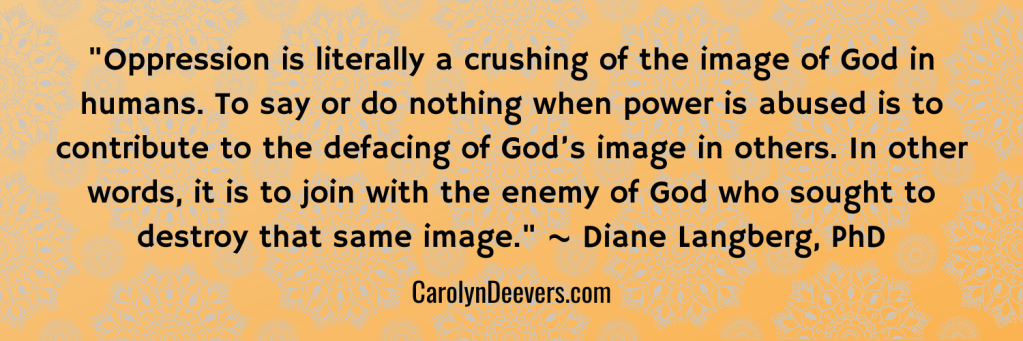
In 1 Thessalonians 2, Paul described being mistreated and opposed, not by atheists, but by religious people. He didn’t minimize it. He didn’t downplay it for the sake of “peace.” He named it, and then he kept proclaiming the truth boldly.
That’s part of healing, too.
The Tolerance Trap
Here’s why it matters:
The longer we stay in a toxic environment, the more our tolerance grows. It’s just how human psychology works. What once made us uncomfortable becomes “normal,” and eventually, normal starts to feel spiritual.
I’ve seen it. I’ve felt it.
Over time, convictions erode. Discernment dulls. And our confidence in hearing God gets overruled by someone else’s voice—whether it’s behind a pulpit, around a conference table, or in a small group setting.
If you’re in a healthy church, toxicity gets addressed quickly. Sin gets called out, not opinions or hearsay presented as facts/sin. Accountability happens. It’s uncomfortable, but it’s fruitful.
What Comes Next
Reconciliation may not always be possible. But forgiveness is. And healing?
That begins where honesty is welcome, and wolves are not.
Spiritual abuse can cause us to believe that God questions our worth like man does. Please remember, God sees the true us, our hearts. He also sees what has been done to us in private. Tell your stories. After all, the Bible is rich with stories about people and relationships woven through the tapestry of God’s timetable.
Shine your light
In John 1:4, “darkness” isn’t just a power outage—it’s a symbol of moral and spiritual corruption, the influence of sin, and the glaring absence of God’s light. And let’s be honest: sometimes that darkness creeps into places we never expected, including the Church.
Jesus told us to let our light shine before others, not tuck it under a pew cushion to keep the peace.
If we have to dim our light or stay silent to fit in, especially when it comes to sin or abuse, then we’re not being “peaceful”—we’re being complicit. Light doesn’t hide. Light exposes. And according to John 1:5, “The light shines in the darkness, and the darkness has not overcome it.”
That’s not just a poetic line. That’s a battle cry.
No matter how deep the darkness runs, it can’t extinguish what God has lit in us. So don’t be afraid to shine—even if it ruffles robes or flips a few temple tables. The light is still stronger. Always has been. Always will be.
Read Part 3 here…
I’d be honored to hear from you
If you’ve seen a red flag, walked through church hurt, or have a story to share, please scroll to the bottom of this article, just below the social media icons, and click “Leave a Comment.” Your voice matters here. You’re not alone, and your story could be the light someone else needs.
Coming Up Next Week
Next week, in Recognizing Red Flags in Toxic Church Environments (Part 3): The One is Worth It, we’ll discuss what Jesus is willing to do for you. And, if you are looking for a church, we’ll address tips for a practical search plan. You don’t have to walk through the ruins alone.
Provide your email here to receive a PDF of “Common Reprimands That Silence the Hurting“


Scripture references come from the NIV.

 Carolyn Deevers